Tweed River High School

Innovative Learning Pathways

This school is situated on the northern NSW coast and boasts a long and proud history of working closely with local Indigenous community members. Tweed River High School acknowledges the Nganduwal and Minyungbal people of the Bundjalung Nation. The school is widely regarded in the community as a pioneering institution that has established a hub dedicated to creating a space for Indigenous students, parents, and Elders, and is one of the first schools in the state to offer Aboriginal Studies as a subject. Their overarching goal is to provide an innovative, safe learning environment that fosters excellence through opportunity, teamwork, and respect. As a comprehensive secondary school, they deliver quality programs in academic, vocational, cultural, and sporting fields. Students receive encouragement and support through robust welfare programs.  
The Story of CNS at Tweed River

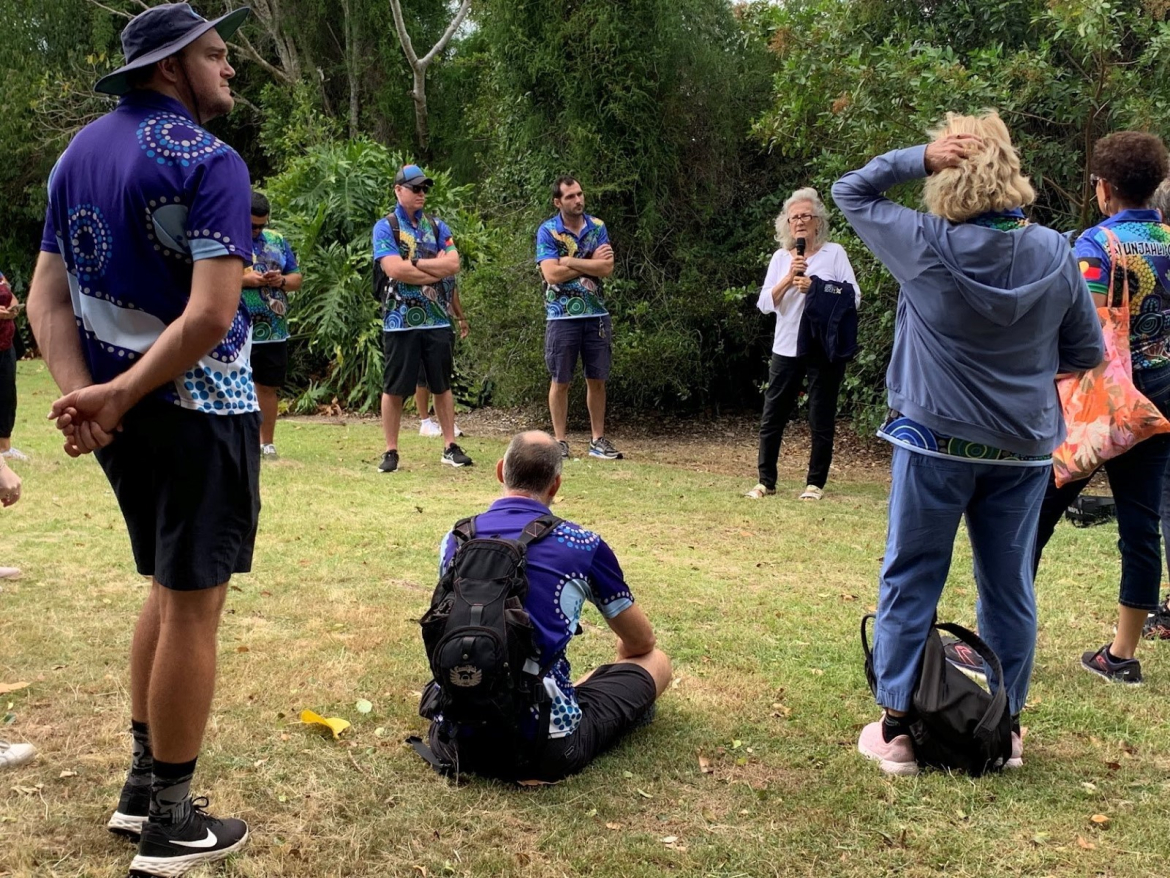
The CNS project, which commenced at Tweed River High in 2021, involved 12 teachers in the professional learning. Over four years, six Aboriginal staff and community members supported the program, mentoring a total of 29 teachers. A key strength for Tweed River High School and the successful implementation of the CNS project has been the consistency in Indigenous leadership within the school. The current senior Aboriginal Education Officer (AEO)  succeeded her mother, who had been with the school for over 25 years. The school’s Aboriginal staff have worked with school staff and the community to support the teaching of Aboriginal Studies in both Years 7-10 and Years 11-12. A non-Indigenous staff member who has also made a long-term commitment to the school, contributed to the development of the original Aboriginal Studies curriculum in NSW and has continuously taught this subject for over 20 years. These enduring connections and years of established trust between students and teachers who have worked closely with the community have significantly contributed to the educational success of Aboriginal students. These connections, along with the appointment of the Deputy Principal as the key CNS spokesperson within the school, aided the drive and support for the program's implementation. His appointment facilitated ongoing continuity in decision-making, direct communications, strategic planning, and systematic change from one central point. 


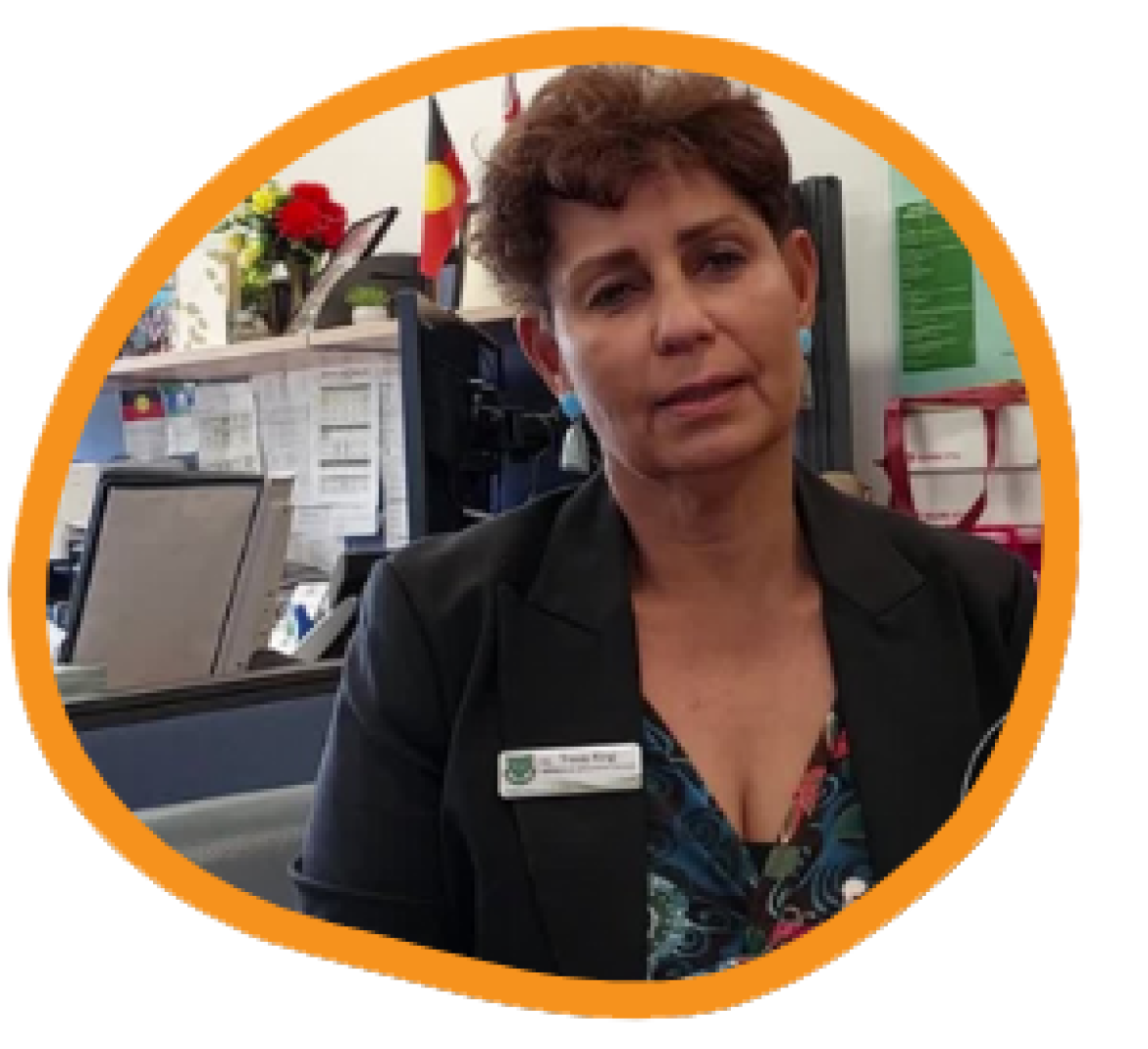
It's vital to have a strong relationship within your school and your community so that students feel valued. The parents and the families feel part of the school. They're wanting to come into the school and take an active interest in their child's education. When we get people coming in from the community, the kids see that and they get a real sense that it's part of their identity. They see someone in the school that they know—the Aunties, the Uncles—and that sort of builds their confidence to be able to engage with their education.

Tracey Kingi, Aboriginal Lead