Cultural Leaders

Cultural Leaders 

Cultural Leadership within CNS 

Cultural leadership plays a crucial role in the Culturally Nourishing Schooling (CNS) project, ensuring that schools foster environments that respect, incorporate, and celebrate the cultural identities and histories of Aboriginal and Torres Strait Islander students and their communities. In part, the success of the CNS program is predicated on the important roles that are played by, and /or supported by broadening the notion of school leadership.

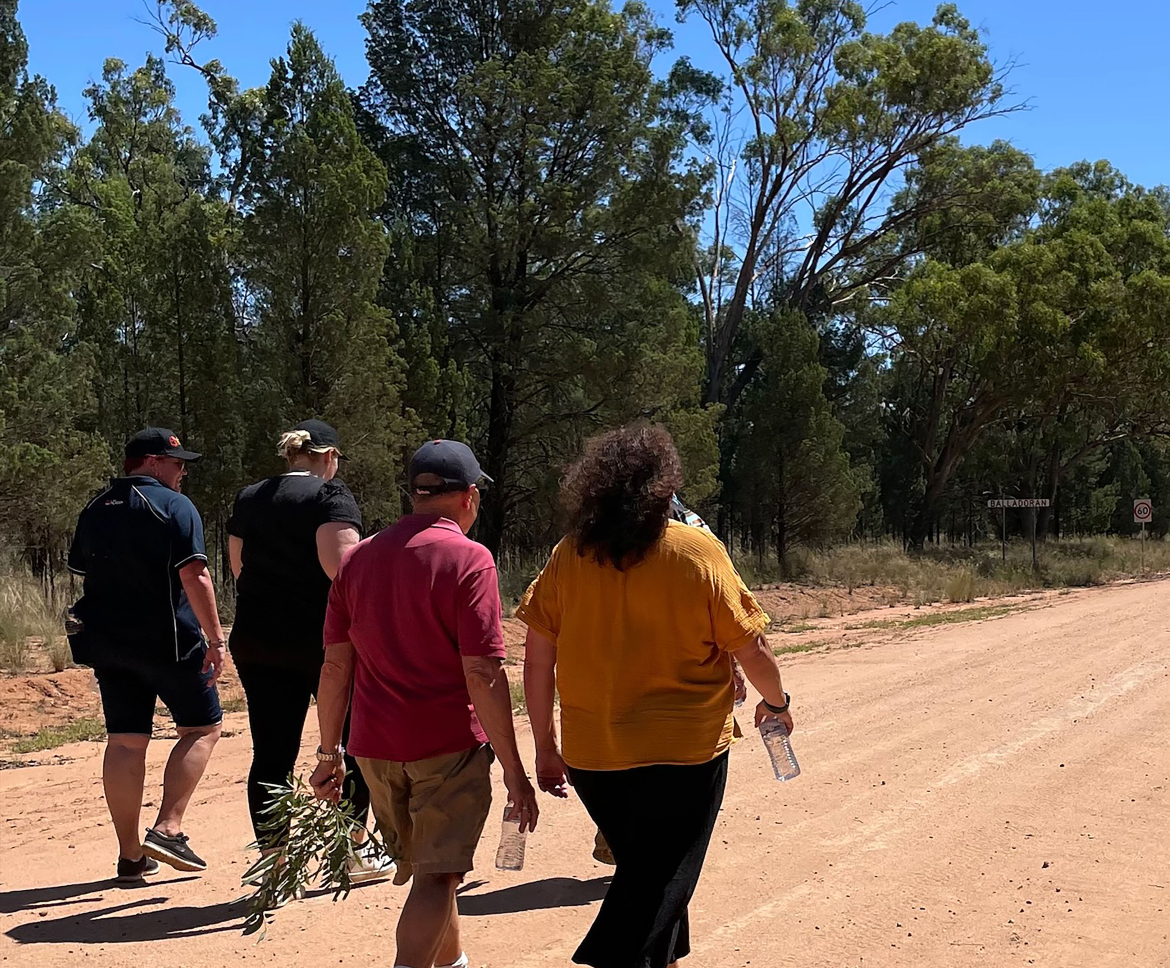
Drawing on experience and research, the program has invested in the employment of Cultural Mentors in schools. These locally employed Aboriginal Community Staff have had a great impact in bringing local Indigenous knowledge to their schools staff and Aboriginal students, who speak of seeing their identities being increasingly reflected in their schooling experiences. These cultural leaders work collaboratively to cultivate relationships between their schools and communities and have worked with school leaders to create and sustain meaningful change.  
At CNS, cultural leadership is shaped by three main groups: the Cultural Leads; which oversees cultural governance, Cultural Mentors; who provide guidance and support within schools to preserve and share cultural knowledge, and local communities; who provide that culturally authentic voice, identity, knowledge, history and perspective to be brought into schools.


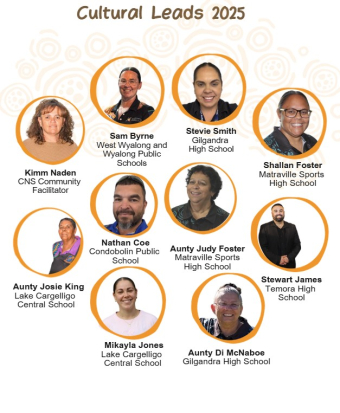
Cultural Leads in NSW for phase two of the program are below and prioritise Aboriginal community collaboration and guidance on the project. It consists of Aboriginal staff and community members from our participating schools in phase two for NSW. Working in conjunction with the Cultural Leads team, a Cultural Mentoring program is designed to localise and provide explicit truths and examples in re-shaping content resources and teacher perspectives. Our Cultural Leads for Phase Two of the project in NSW are listed below from our participating schools. 

Cultural Leads 2025
NSW Cultural Leads 2025 for Phase Two

Cultural Governance / Blak Caucus

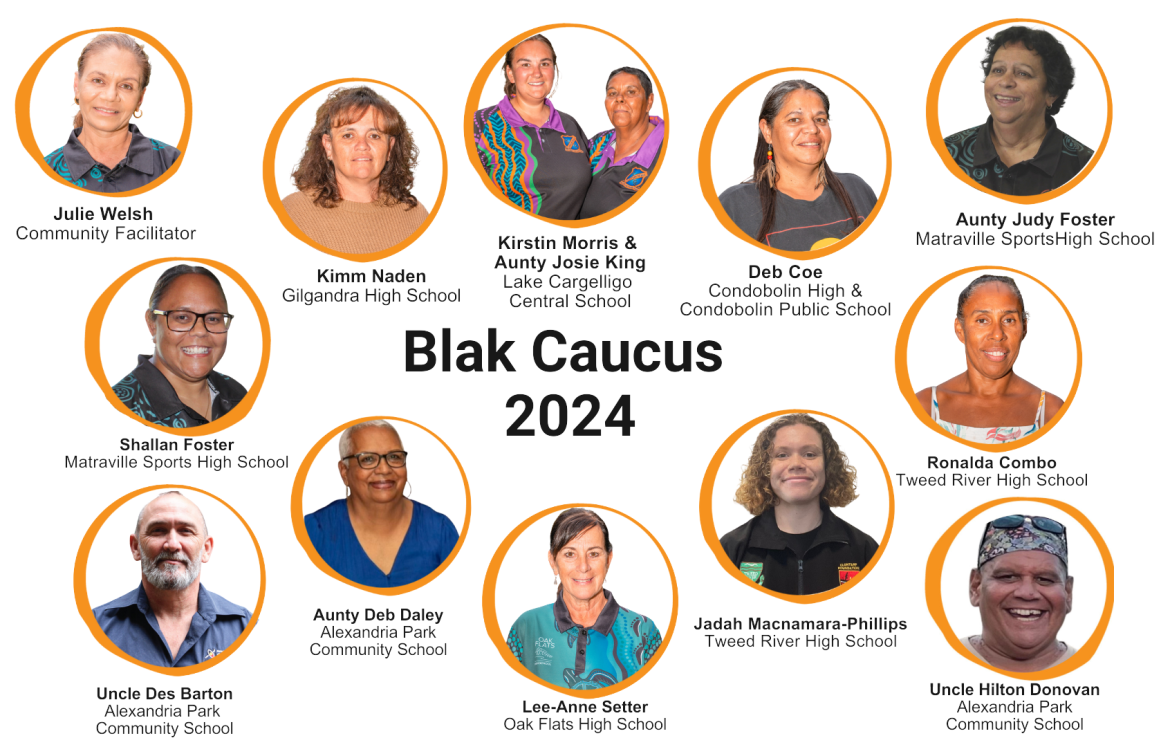
A key component of cultural leadership is the Cultural Governance group; our Cultural Leads for phase two, and our our Blak Caucus from phase one – Aboriginal Cultural Leads from the schools’ local communities and the Community Facilitator within the CNS team. This group's leadership is essential in guiding cultural mentorship in schools, co-designing and reviewing research, and working towards the development of agreements (micro-treaties) between schools and their local communities.  

The establishment of the NSW Blak Caucus in 2022, the first cultural governance group for phase one of our program, highlighted the power of grassroots leadership in ensuring that Indigenous voices shape the implementation of CNS strategies in schools. Their leadership has helped establish important protocols that empower communities and facilitate respectful engagement in research and school initiatives. Below are the members of the Blak Caucus from phase one of the project and we thank them for their contribution to CNS.

Shallan Foster –
on the work of cultural mentors

Head teacher of Aboriginal Learning and Engagement at Matraville Sports High

“We initiate conversations with schools and local Aboriginal communities as we explore new futures and build on understanding of past histories. By listening, sharing and understanding, we can establish culturally safe ways to support change, moving through and beyond difficult conversations and improving the relationship between schools, teachers and our Aboriginal families and communities." 

Cultural Mentoring  

Cultural leadership within the CNS project also emphasises the importance of strong, consultative relationships between local communities and schools. The engagement of groups such as the state and local Aboriginal Education Consultative Groups (AECGs) ensures that all initiatives are built on shared understanding and collaborative goals. The Cultural Governance group facilitates these connections, ensuring that schools remain accountable to the needs and aspirations of Aboriginal and Torres Strait Islander families. 

By empowering Indigenous communities to lead, mentor, and collaborate with schools, the project is fostering a landscape that respects and integrates Aboriginal and Torres Strait Islander cultures and can move beyond tokenistic inclusion to genuine, sustained partnerships that honor Indigenous knowledge systems and self-determination. 

Strengthening Relationships with Local Communities 

Cultural leadership within the CNS project also emphasises the importance of strong, consultative relationships between local communities and schools. The engagement of groups such as the state and local Aboriginal Education Consultative Groups (AECGs) ensures that all initiatives are built on shared understanding and collaborative goals. The Cultural Governance group facilitates these connections, ensuring that schools remain accountable to the needs and aspirations of Aboriginal and Torres Strait Islander families. 

By empowering Indigenous communities to lead, mentor, and collaborate with schools, the project is fostering a landscape that respects and integrates Aboriginal and Torres Strait Islander cultures and can move beyond tokenistic inclusion to genuine, sustained partnerships that honor Indigenous knowledge systems and self-determination. 

Professor Kevin Lowe on Blak Caucus 

"The cultural mentors and Blak Caucus have become critical sounding boards for the school principals and staff on the range of issues shown to impact on the educational opportunity for Aboriginal students. The research was unequivocal in highlighting the key importance of these members of staff in their support of Teachers as they looked to give effect to the various elements of the CNS program in their classrooms."