

Author: Professor Kevin Lowe
Facilitating our final Symposium for phase one of CNS and hosting international speakers for the first time, to then presenting the keynote at the AARE conference the very next week. Kevin and his CNS team have had an incredibly busy end to the year – topped off with two research papers published in late Dec and early Jan of this year.
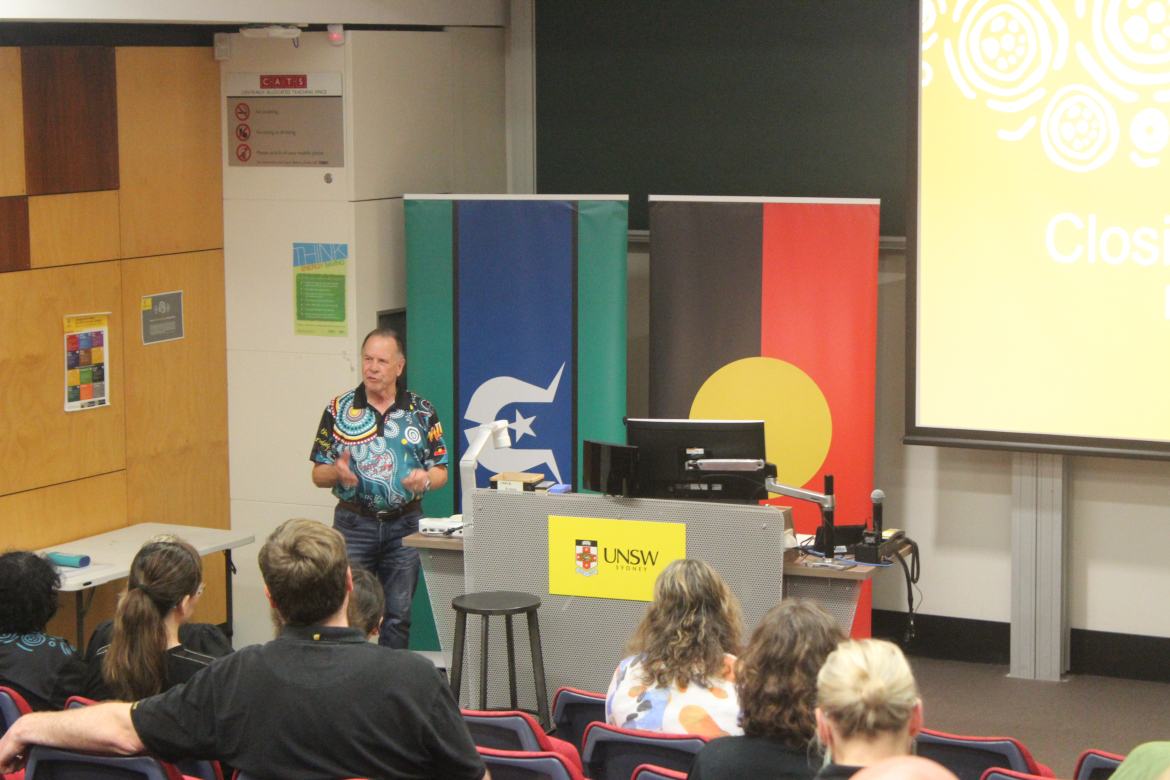
As we look forward to what’s next with CNS, and with some exciting updates coming, I was able to ask Kevin to share his thoughts on how we finished up with the symposium and why his keynote was especially important to present key findings from the program. The keynote is now readily available on the AARE website – you can find it HERE and serves as a great resource into our program’s capabilities and outcomes to date.
On the 2024 Symposium
Our 2024 Symposium was both similar and different to previous years. The similarities listed on providing opportunities for the schools to present their activities over the previous 12-month period. The purpose of this was to highlight the growing assurance that the school had developed about its capacity to affect change. It also provided an opportunity to showcase their moves towards developing a new long-term relationship that favoured establishing programs of significance to local aboriginal families and communities.
What was substantially different from previous years was bringing five significant overseas scholars to participate in the program. This provided a chance to engage with cutting edge research from North America and New Zealand. It is clear from the response from both the international guests and also the school participants, that this element of the symposium had a major impact on lifting our understanding of the broader social and political issues that seem to affect the practices of schools and to understand the critical importance of genuine school and community interactions.
On Kevin’s biggest takeout from the Symposium after hearing from school leaders, their staff and the Blak Caucus.
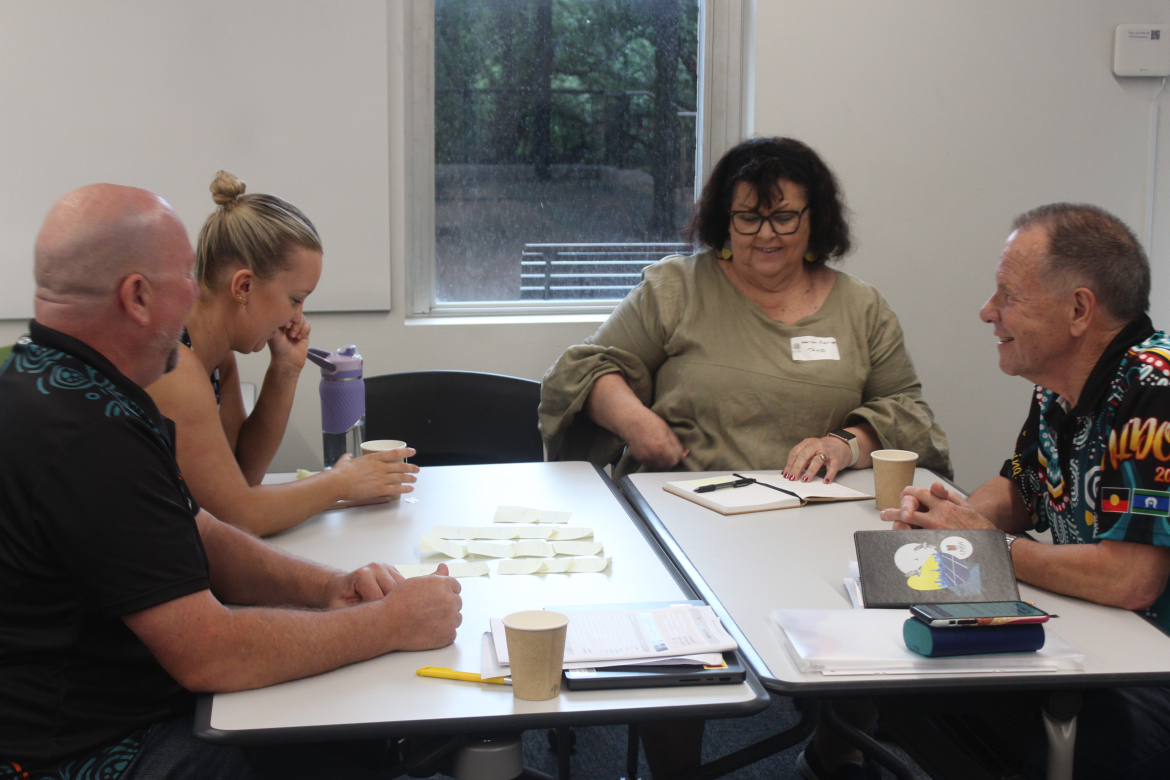
Hearing from schools on how heavily they relied on the support of the Aboriginal staff in their schools to legitimate the changes being undertaken through establishing the CNS program has been important. The cultural mentors and Blak Caucus have become critical sounding boards for the school principals and staff on the range of issues shown to impact on the educational opportunity for Aboriginal students. The research was unequivocal in highlighting the key importance of these members of staff in their support of Teachers as they looked to give effect to the various elements of the CNS program in their classrooms.
On the importance of Kevin’s keynote
The primary point I was looking to make, was that much of the research undertaken in schools in relation to Aboriginal education, has not fully understood the intent of community aspirations or the level of disconnection between schools and schooling practices and aboriginal families and communities.
Our earlier research in the Aboriginal voices project had demonstrated that what was required was a whole of school program that supported school leaders, classroom teachers, and students to reconceptualise the education of Aboriginal students in ways that built on the communities' road respirations for educational success. It also showcased that there needed to be a clear understanding of the importance of indigenous identity to students’ ability to achieve that success.
It would appear from phase one of the project, that key concepts of the CNS program have been shown to have the capacity to affect the level of change required to help schools make the systemic changes to build different learning relationships between teachers and students, and different aspirational relationships between the school, students and their families.
On presenting CNS’ findings and affecting long-term change
It was a unique opportunity to present the program, along with its current research findings to a body of excellent and supportive educational researchers. The purpose was to layout a clear, unambiguous argument for high-quality research being undertaken to help lift the veil on how schools can be better supported to affect long-term change in their schooling outcomes for Aboriginal students.
I wanted to prosecute the view that the days of doing small, ineffective research programs on one element of schooling has little chance of affecting the level of change required to have a lasting impact on the education for Aboriginal students. One of the things that I was wanting to make a plea for, was that quality research requires collaboration and opportunities to bring, develop and test substantive programs that address the holistic needs of students, families and schools that make a real and lasting difference.
We envisage that in the long-term, the findings of the CNS program need to leverage real change in the thinking and action of governments, school systems, and future research in ways that foundationally challenge the way in which schools have been conceptualised and operationalised in the education of Aboriginal and Torres Strait Islander students. What we have already been able to demonstrate is that schools must look beyond the gate to build genuine relationships between themselves, families and community Elders. The emerging trust that is developed between the school and families must support developing localised programs that speak positively to the questions of Indigenous identity and educational success. However, we have also now understood the need to support teachers to make the necessary changes to their engagement with curriculum, their teaching practices and relationships with students and their families. We have found that these elements of change are the key to the core thesis of the CNS program, which is that it is dependent on establishing a relationally whole-of-school approach.