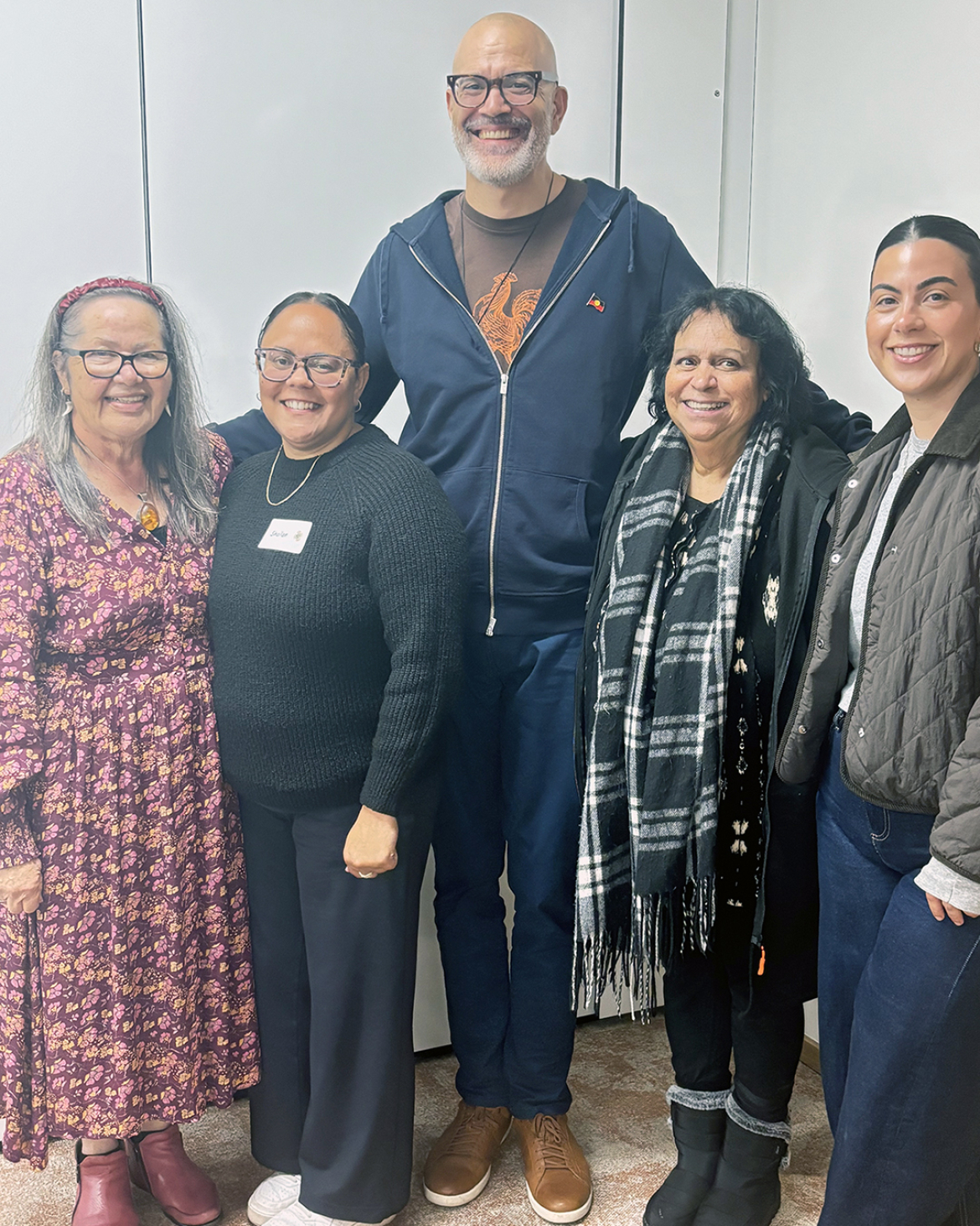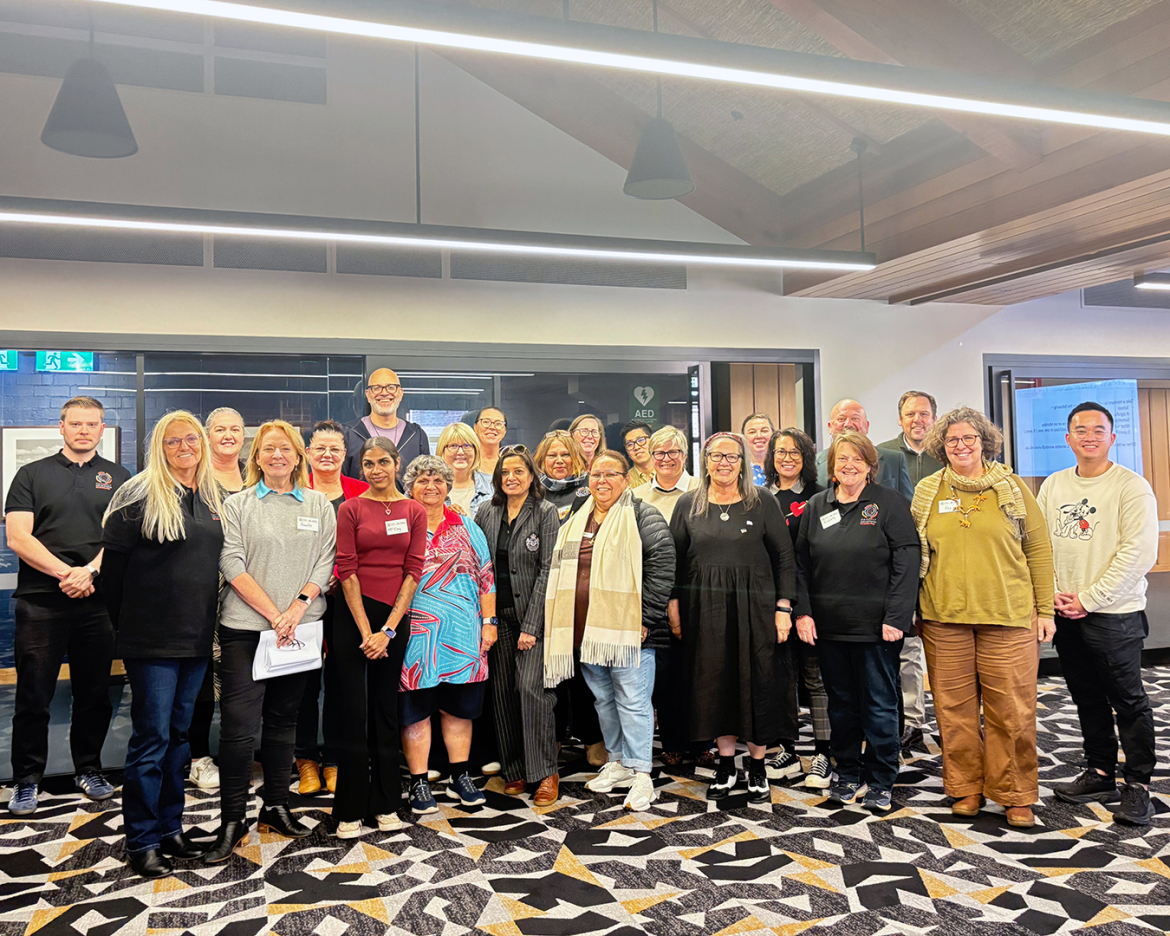


The Culturally Nourishing Schooling Project (CNS) hosted Professor Mere Berryman (University of Waikato, Aotearoa / New Zealand) and Professor Django Paris (University of Washington, USA) for a series of events across Australia in June 2026.
Professor Mere Berryman is internationally recognised for her research in culturally responsive and relational pedagogies with Māori communities, while Professor Django Paris developed the internationally acclaimed framework of culturally sustaining pedagogy. The scholars first presented their leading research at 2024 CNS Symposium in Sydney, and their subsequent visit this year deepened their involvement with the project.
"We first invited Mere and Django to be involved with the CNS project because their research helped to assist us in our thinking. We weren't looking for people to tell us we were doing a good job; we wanted critical friends who could challenge our thinking and help strengthen the second phase of the project," said Professor Kevin Lowe, CNS National Chief Investigator.
"We invited them back for the opportunity to work alongside them in much greater depth, focusing on two areas that are central to our work: strengthening what teachers do every day in classrooms, and building schools' capability to sustain culturally nourishing schooling over the long term."
During their two weeks in Australia, Professors Berryman and Paris led masterclasses with CNS partner schools in both South Australia and New South Wales, delivered an interactive public lecture at UNSW Sydney and participated in the Tristate Education Forum in Yulara, Northern Territory. Together with local researchers, educators, school leaders and community members, they explored how whole-of-school approaches can strengthen teaching, learning and educational outcomes for Aboriginal students.
Building whole-of-school capability
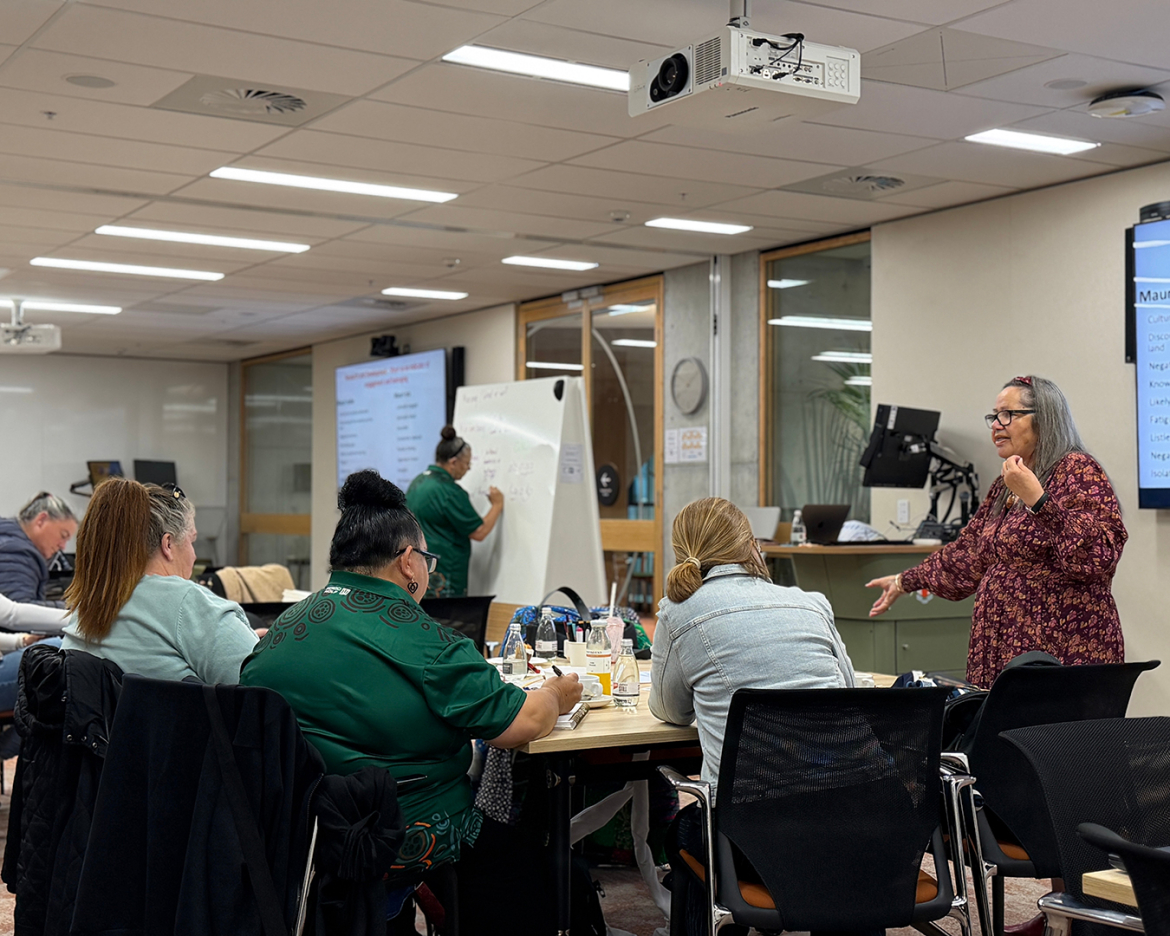
The commitment to learning together was evident in a series of two-day masterclasses designed for school leaders, Aboriginal cultural leads and educators in CNS partner schools in both South Australia and New South Wales.
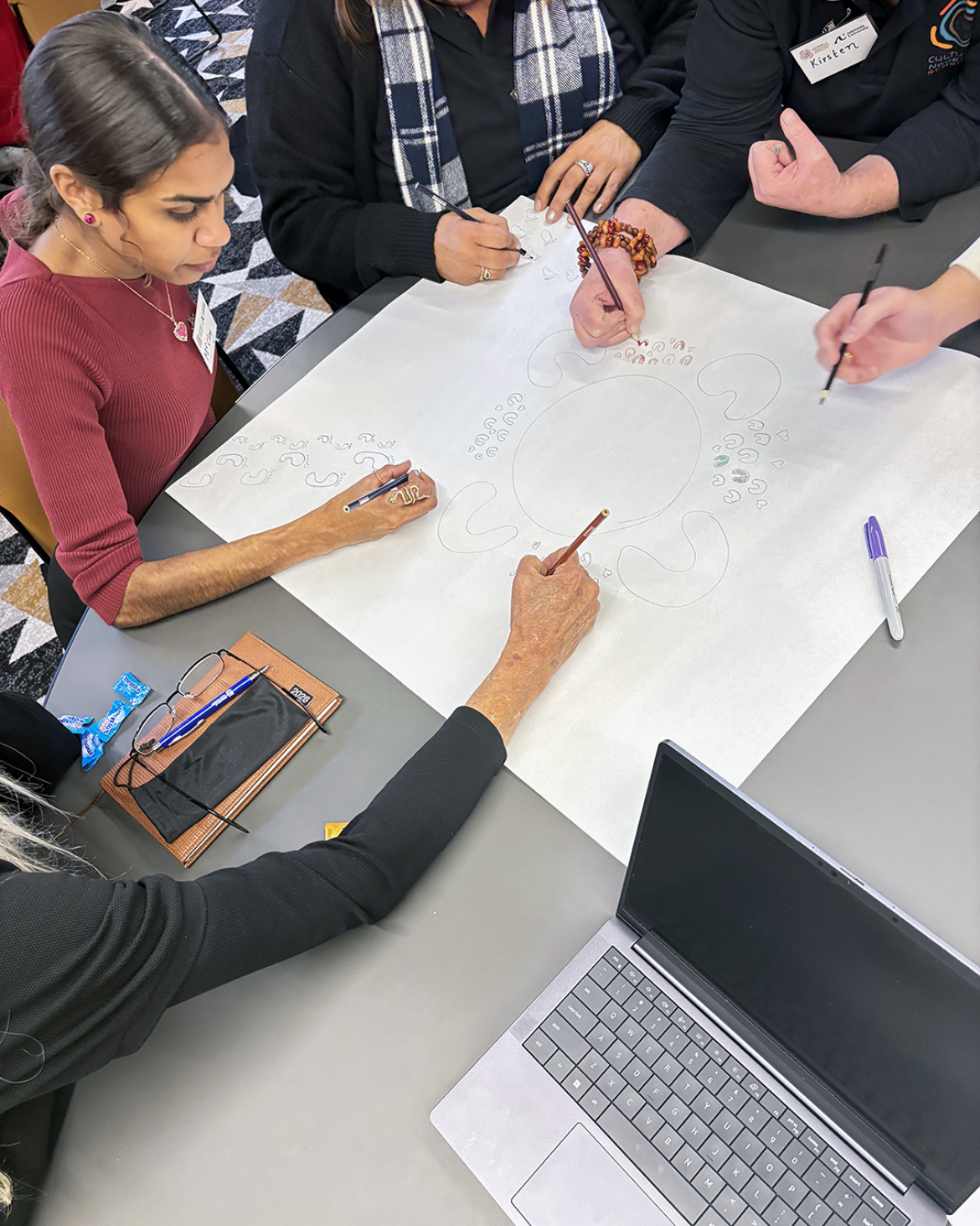
Rather than focusing on individual areas, these professional learning masterclasses took a whole-of-school approach to strengthening classroom practice. School teams worked together to examine how leadership, curriculum, pedagogy, community relationships and school culture could collectively support their aspirations.
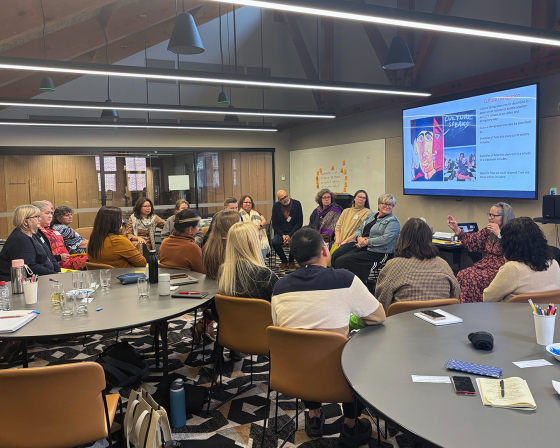
Professors Berryman and Paris showcased international models of culturally sustaining and culturally nourishing education, while encouraging participants to critically reflect on their own practice. The emphasis was not on adopting international models, but on strengthening locally led approaches.
“I really enjoyed the facilitators… we connected with them”, said a masterclass participant from Gilgandra High School, one of the CNS partner schools.
“[Mere and Django] were very giving in what they shared with us, [and] you could have just kept talking with them.”
Participants brought questions, initiatives and challenges from their own schools, using the two days to test ideas, refine strategies and plan the next stages of their work. Working as teams enabled participants to connect leadership decisions with everyday classroom practice, ensuring that ideas developed during the masterclasses could be translated into meaningful improvements for teachers and students.
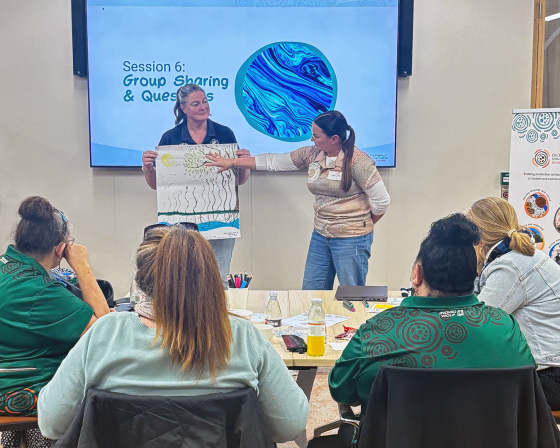
“My experience of the masterclass was discovering my ‘why’, and looking at class settings. Are the students forced to fit or do they bring a sense of belonging?”, said another participant from West Wyalong Public School.
“What will stay with me [is the concept of] ‘myth-takes’ – it’s only hard work if you don’t have the heart work.”
Conversations for transformative change
These conversations extended beyond the masterclasses through a public lecture at UNSW Sydney. The interactive conversation explored big ideas for lasting, culturally sustaining educational change and re-imagining education as a space for liberation and justice.
Professor Paris shared why culturally sustaining pedagogies matter for our collective futures, sharing examples of teaching and learning that centres and sustains communities. Professor Berryman reflected on the importance of collective determination and authentic collaborations between schools, families and communities.
Together, their presentations challenged participants to consider how education systems can move beyond responding to culture and towards actively sustaining the identities, languages and knowledges that students bring into classrooms every day.
“Culturally sustaining pedagogies – teaching and learning that centres and sustains communities – offer educational paths forward, grounded in the strength, wisdom, and leadership of Black, Indigenous, and other Global Majority peoples”, shared Professor Django Paris.
Learning together on Country
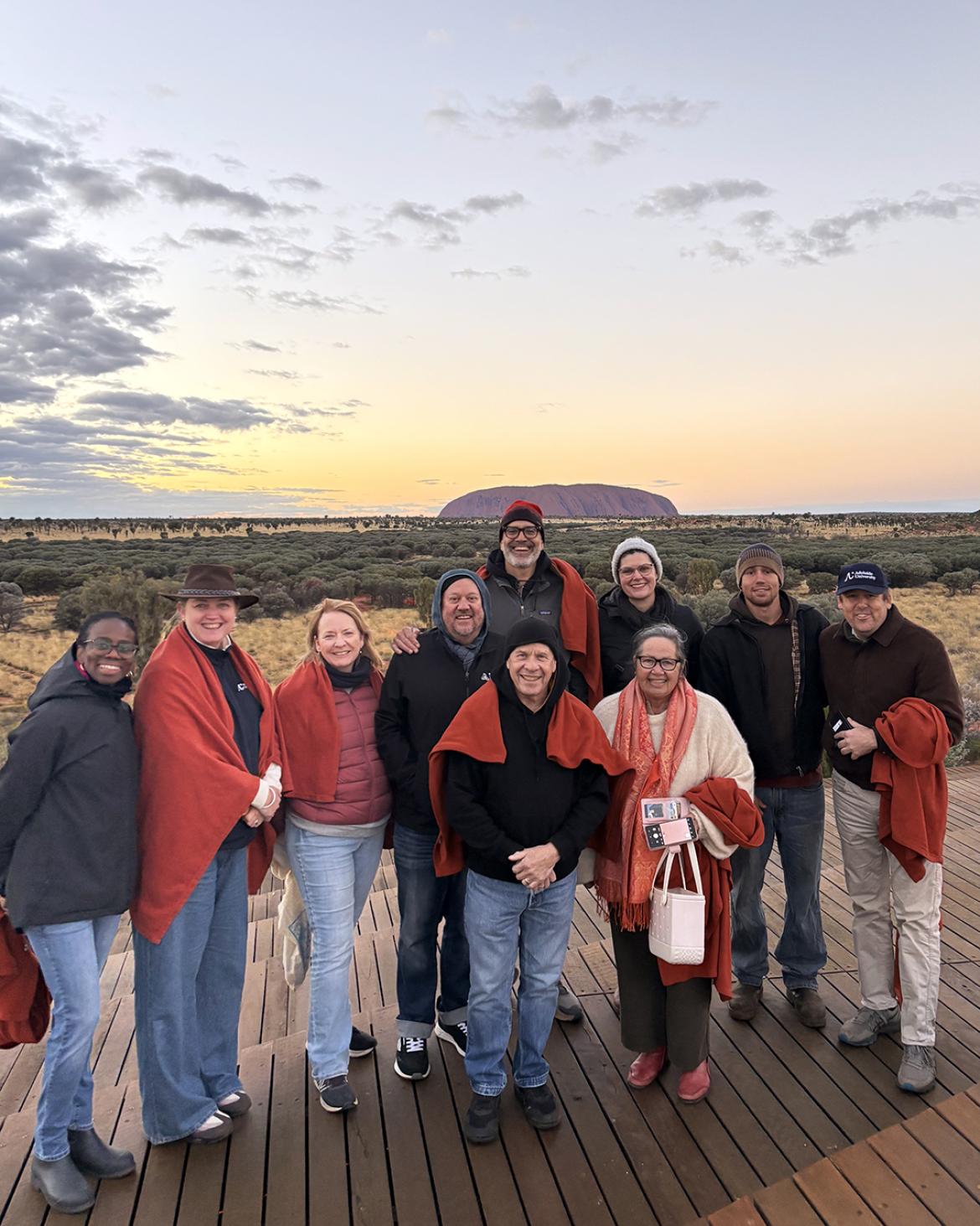
Together with CNS researchers, Professors Paris and Berryman travelled to Yulara, in the Northern Territory, to participate in the Tristate Education Forum. Hosted by Kulintja Kutju in partnership with CNS, The University of Adelaide and Nyangatjatjara College, the forum's theme – “Let's light the fire: Speak up for education” – sparked rich dialogue between local and international perspectives.
The four-day program began with learning on Country at the significant cultural site of Cave Hill in South Australia, where participants experienced how Indigenous knowledges are embedded in language, storytelling and dance. The forum brought together Aṉangu educators and community leaders from across the Ngaanyatjarra Pitjantjatjara Yankunytjatjara lands to share knowledge and wisdom with local and international scholars.
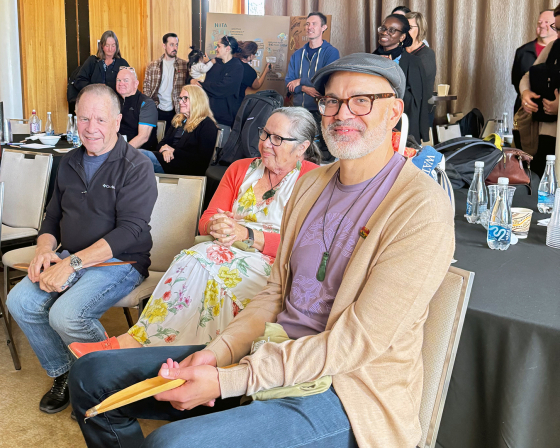
The forum provided an opportunity to extend conversations beyond schools and universities into a community-led setting to explore notions of culturally responsive leadership, governance and community aspirations for education. Bringing together local expertise and international scholarship reinforced that meaningful collaboration begins by listening, learning and building trust.
“Culturally responsive encounters such as we engaged in, enabled us to respectfully listen to each other's prior experiences and beliefs, then draw from these shared understandings as the legitimate basis for new learning”, said Professor Mere Berryman.
“Over these days, the dynamic inclusion of cultural and epistemological pluralism, the deconstruction of Western colonial traditions, and the primacy of relationships within culturally responsive dialogic encounters allowed us all to maintain the original integrity of our own respective cultures and ways of being, yet at the same time respectfully co-construct something new.”
Continuing the conversation
Whether in schools, at the university or on Country, one message remained constant – strengthening educational outcomes for Aboriginal students depends on building the collective capability of schools and communities through genuine partnership, shared learning and sustained relationships. These conversations demonstrated that when schools, communities, researchers and international partners learn with one another, new possibilities emerge – not only for research and professional learning, but for the everyday experiences of Aboriginal students in classrooms.
"The opportunity for CNS to work with Mere and Django sharpened our thinking about what still needs to happen in classrooms every day, and how we continue to strengthen the relationships between schools and communities. Bringing our whole team into those conversations gave us a much clearer, shared understanding of where we need to focus our efforts next," said Professor Kevin Lowe.
"As we move towards the next phase of the project, the real measure of success will be schools having the confidence and capability to lead this work themselves, with CNS continuing to support them as they build the leadership, relationships and classroom practice needed to sustain culturally nourishing schooling long after the project ends."